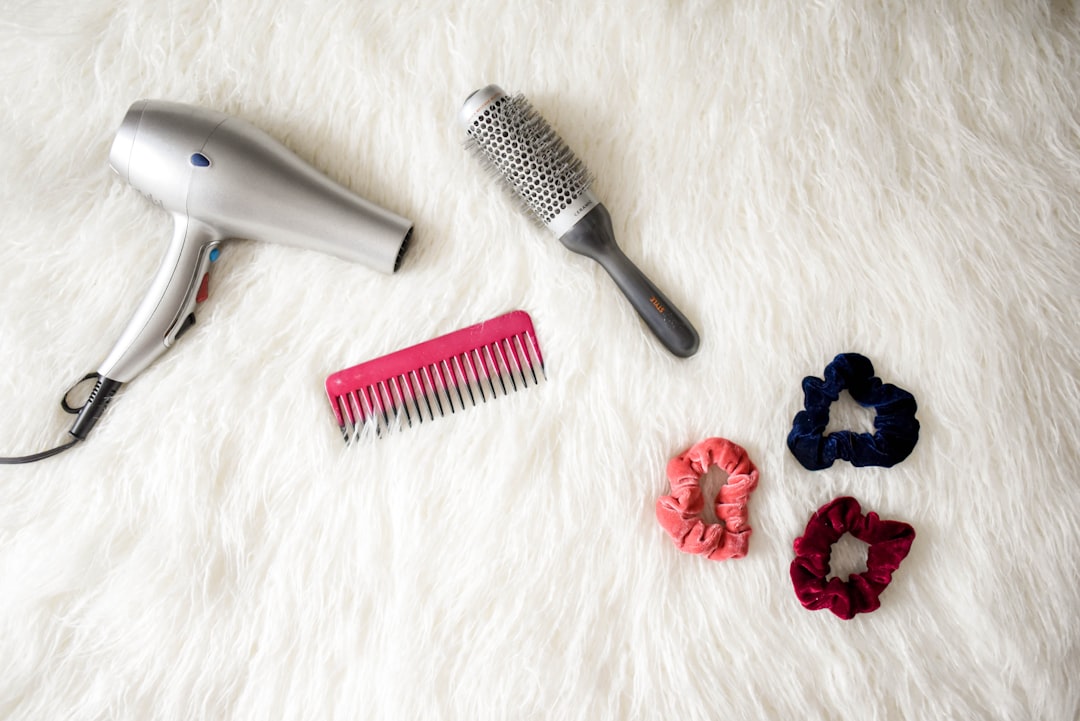
Starting a hair tool collection can get confusing fast. Between dryers, dryer brushes, straighteners, curling tools and specialty attachments, it is easy to think you need everything at once. You do not. The best approach for a beginner is to choose tools around the styles you actually wear, your comfort level and how much time you want to spend getting ready.
This guide breaks down the most useful hair tool types, what each one is best for and which options can wait until later. If you are deciding between a one-step tool and a traditional dryer, read our Hair Dryer Brush vs Hair Dryer comparison first.
Affiliate disclosure: As an Amazon Associate I earn from qualifying purchases. This means Rumeesa Beauty may earn a commission if you buy through an Amazon link, at no extra cost to you.
1. A reliable hair dryer
A standard hair dryer is the most flexible place to start because it can dry nearly every hair type and can work with different brushes and attachments. Look for simple heat and speed controls rather than a long list of modes you may never use.
For beginners, the important features are easy controls, a comfortable weight and at least one lower heat option. A concentrator nozzle can help direct airflow for smoother styling, while a diffuser is useful for curls and waves when you want to preserve texture.
2. A dryer brush for faster styling
A dryer brush combines airflow and brushing in one tool. It can be easier than coordinating a separate dryer and round brush, especially if your main goal is a smooth, bouncy blowout. The trade-off is that it is less flexible than a traditional dryer for roots, curls and precise styling.
Beginner-friendly hair dryer brush picks
If you want one quick tool for smoother, bouncy styling, these Revlon one-step options are worth comparing before buying. Choose the barrel size and style that best matches your hair length, volume goals and comfort level.
- Revlon One-Step Volumizer Plus Hair Dryer and Styler, 2.4 in Barrel, Black — a smaller-barrel option to compare if you want more control around shorter layers, bangs or roots.
- Revlon One-Step Volumizer Hair Dryer and Styler, 2.8 in Barrel, Pink Fizz — a classic larger-barrel option for quick smoothing, volume and everyday blowout-style results.
- Revlon One-Step Blowout Styler — a multi-use option to compare if you want drying and soft curl shaping in one tool.
If you mainly want one quick tool for smoothing and volume, a dryer brush may be enough on its own. If you want more control over drying technique, a standard dryer gives you more options.
3. A straightener if sleek styles are your priority
A flat iron is useful if you regularly want a straighter finish or need a tool for smoothing small sections around the hairline. Beginners should focus on adjustable temperature and plates that move smoothly through the hair instead of chasing the highest possible heat setting.
You may not need a straightener if your dryer or dryer brush already gives you the finish you like. It becomes more useful when you want a sharper, sleeker result or occasional bends and soft waves.
4. A curling tool only if you will actually use it
Curling wands and irons can create waves, curls and texture, but they are not essential for every beginner. If your everyday style is straight, natural or blow-dried, this can wait. If curls are part of your regular routine, start with one barrel size rather than a multi-piece set.
A medium barrel is generally the most versatile starting point because it can create a range of soft curls and waves depending on section size and technique.
5. A few simple accessories matter more than extra gadgets
Sectioning clips, a wide-tooth comb and a brush suited to your hair can make styling easier without adding another powered tool. These basics help you work in manageable sections, detangle gently and get more consistent results from the tools you already own.
How to choose your first hair tool
Start with the result you want most often. For fast smoothing and volume, consider a dryer brush. For maximum flexibility, start with a standard dryer. For very sleek styles, add a straightener. For curls and waves, add one curling tool only if you know you will use it regularly.
Your hair type matters too. Fine hair may benefit from lower heat settings and lightweight tools. Thick hair often needs stronger airflow and enough control to work through sections efficiently. Curly and coily hair may benefit from a diffuser, gentle airflow and tools that support texture rather than forcing one finish.
What beginners can skip at first
You do not need multiple straighteners, several curling barrel sizes, mini travel tools or every trending multi-styler just because they exist. Build your routine around one or two tools that solve a real styling need. Add more only when you can clearly explain what the new tool would do that your current setup cannot.
A simple beginner setup
- One reliable hair dryer or dryer brush
- One brush or comb that works well with your hair type
- Sectioning clips
- Optional straightener if sleek styling is a regular goal
- Optional curling tool if curls or waves are part of your routine
If you are still unsure which tool type fits you, try the Rumeesa Hair Tool Quiz or browse more Hair Guides. The goal is not to own the most tools. It is to build a small setup that makes your routine easier.
Leave a Reply